Barranquilla Carnival has over a century of documented history and even older roots: born from the Caribbean's colonial festivities, raised by a port city that drew cultures from three continents, and declared a Masterpiece of the Oral and Intangible Heritage of Humanity by UNESCO in 2003. This is how a neighborhood celebration became the second-largest carnival on the planet.
Origins: a festival that arrived by river
Carnival's roots go back to the colonial-era festivities of the Caribbean, where European pre-Lenten celebrations blended with the drums and dances of enslaved Africans and with Indigenous traditions. Barranquilla — a young port city without rigid colonial elites — inherited those festivities and gave them something unique: a celebration where all social classes danced together. By the late 19th century Carnival was already the city's biggest event, with figures like King Momo documented since the 1880s.

1903: the first Battle of Flowers
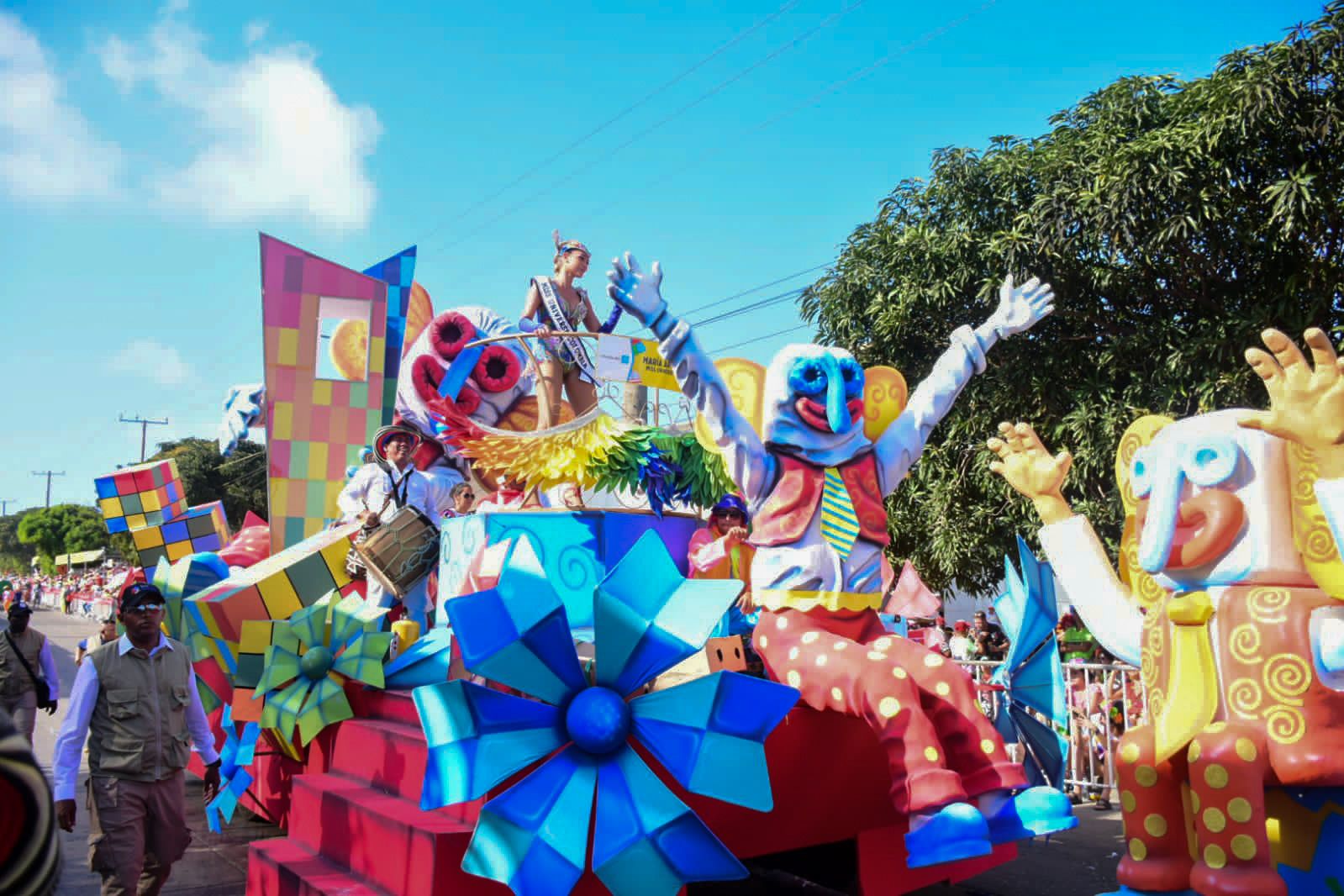
Carnival's flagship event was born as a celebration of peace. In 1903, just after the Thousand Days' War ended, the city organized a parade of flower-decorated carriages that playfully "battled" one another: the first Battle of Flowers. More than 120 years later it remains Carnival's opening and biggest parade, today along Vía 40.
1918: the first Carnival Queen
In 1918 Barranquilla crowned its first queen, Alicia Lafaurie Roncallo, starting one of the festival's most beloved traditions: every year a Queen presides over the parades, leads the Guacherna and becomes the face of Carnival. The queens' gowns — true works of art by local designers — are displayed today at the Carnival Museum.
1974: Esther Forero lights up the Guacherna
Singer-songwriter Esther Forero spent years campaigning to revive an old nighttime tradition of lanterns and drums the city had forgotten. She succeeded in 1974: the modern Guacherna was born — the night parade that now opens the final stretch of pre-Carnival and one of the Colombian Caribbean's most beautiful nights.

2003: World Heritage
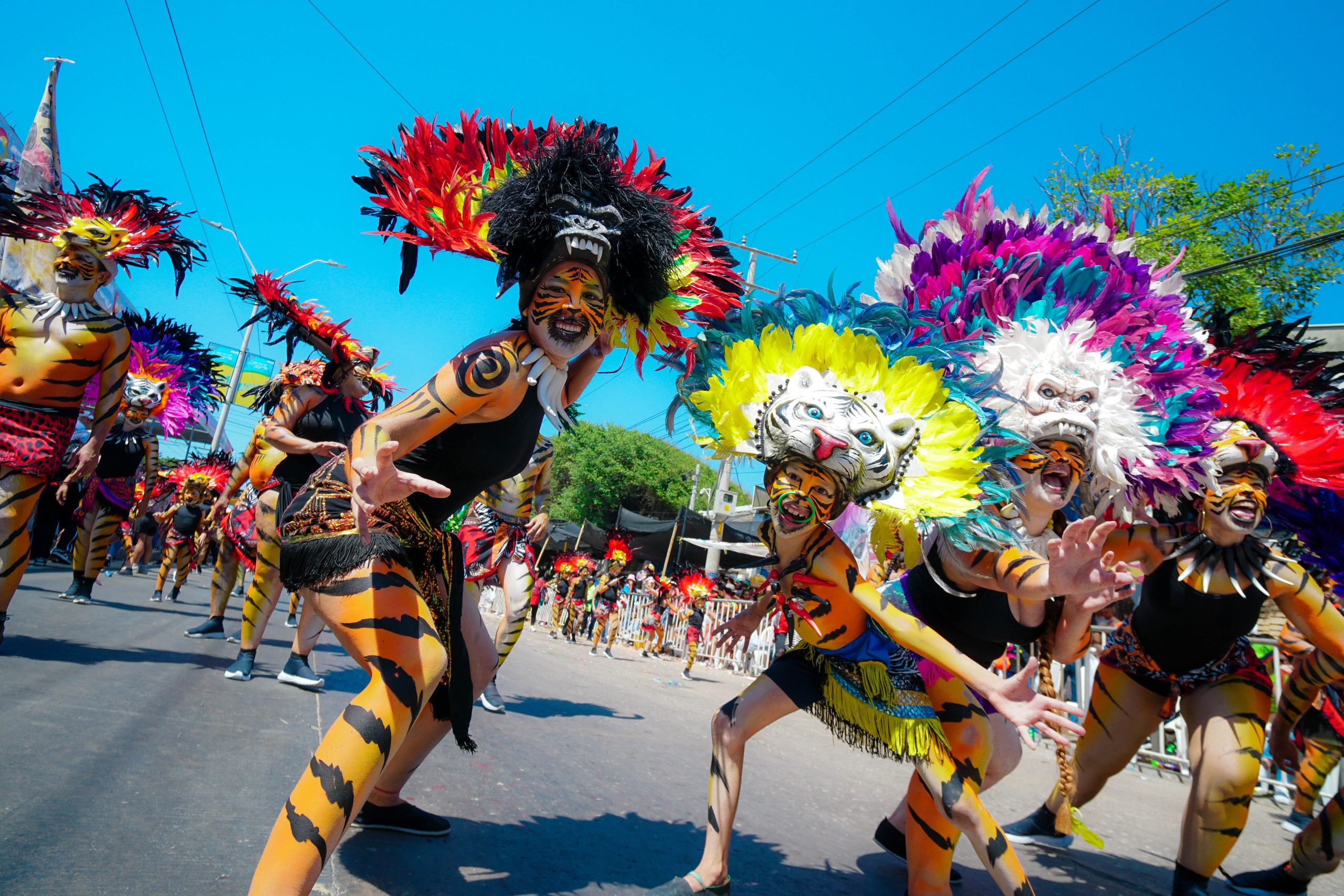
Recognition came in two steps. In 2001, Colombia's Congress declared Barranquilla Carnival Cultural Heritage of the Nation. Two years later, in November 2003, UNESCO proclaimed it a Masterpiece of the Oral and Intangible Heritage of Humanity, highlighting the diversity of its expressions — dances like the Congo, Garabato, mapalé and cumbia; satirical verses, costumes and millo-flute music — and the city's role as guardian of traditions that vanished elsewhere.
Three heritages, one festival
- African heritage: the drums, the mapalé, the Son de Negro and warrior dances like the Congo.
- Indigenous heritage: millo flutes, gaitas and dances like the Caimán.
- European heritage: the pre-Lenten carnival structure, comparsas, queens and satirical costumes.
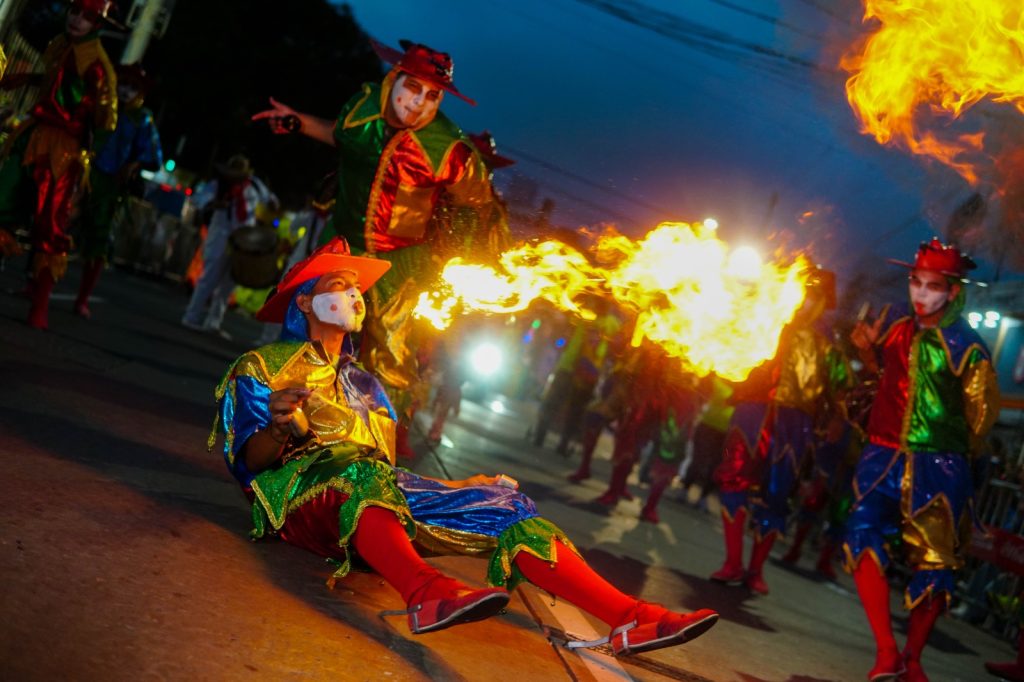
That triple root explains the almost infinite variety of Carnival characters: from the mocking Marimonda to the philosophical Garabato.

Carnival today: the numbers
| Fact | Figure |
|---|---|
| World ranking | 2nd-largest carnival on Earth |
| UNESCO declaration | 2003 (Masterpiece of Oral and Intangible Heritage) |
| Folk groups and comparsas | 150+ in the central parades |
| Central festival days | 4 (the days before Ash Wednesday) |
Where to live the history year-round
Visiting Barranquilla off-season? Carnival's history awaits at the Casa del Carnaval (the organization's headquarters in Barrio Abajo) and the Carnival Museum, with masks, queens' gowns and over a century of memorabilia. To live it on the street, the next edition's dates are in our Barranquilla Carnival 2027 guide (February 6–9), along with the Atlántico events calendar.